HOUSTON WATER LOSS ASSESSMENT

Standing water near electrical sources requires a safe, dry-location power decision.

CALL (713) 555-0194
SERVICE RESPONSE CHANNEL5902

WATER DAMAGE SERVICE / HOUSTON TX

Contents Pack-Out and Cleaning Houston

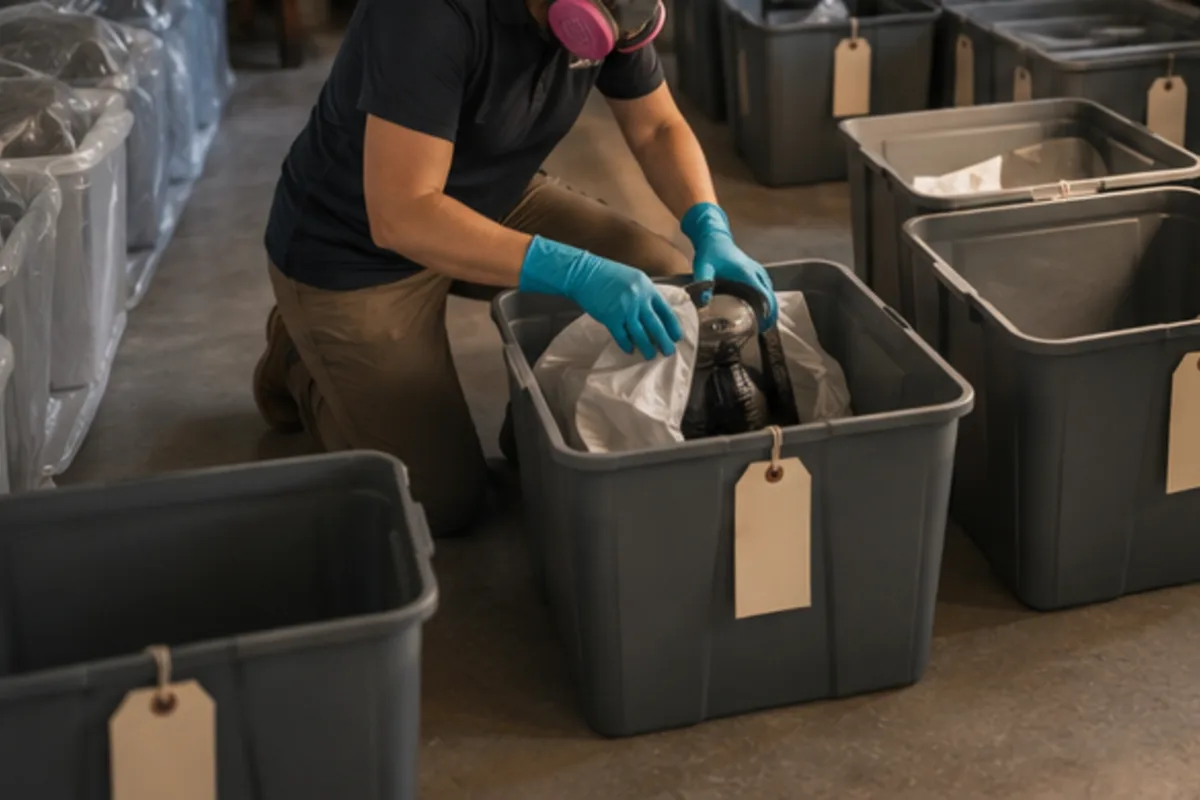
Item inventory, condition notes, move pathways, treatment scope, storage handoff, and return planning. The service decision connects the immediate trigger to extraction, material access, drying, cleaning, documentation, and handoff responsibilities.

Contents Pack-Out and Cleaning Houston assessment and restoration scope
TRACE CONDITIONContents block mitigation or require separate evaluation

COMMERCIAL DECISION PATH

Contents Pack-Out and Cleaning Houston Assessment Converts the Visible Condition into Written Scope

A restoration request should begin with the condition at the property, not a generic package. Record whether water is still flowing, any electrical concern, the known or suspected source, discovery time, water appearance or odor, rooms and levels, affected materials, contents, access, service ZIP, property type, and the person authorized to make decisions.

The first conversation should separate known facts from assumptions. A stain does not prove the full migration path; a dry surface does not prove the layer below is dry; an odor does not establish a mold diagnosis; and a photograph cannot replace safe site evaluation. The provider should describe what it can inspect, measure, open, extract, clean, dry, remove, document, or refer.

For Contents Pack-Out and Cleaning Houston, the working scope should include item groups, condition record, handling priority, treatment limits, custody points, storage, and return scope. Availability, arrival, price, license, insurance relationship, and completion outcome remain subject to verification with the actual selected provider and its written documents.

SOURCE / SAFETY / WATER CONDITION

Contents Pack-Out and Cleaning Houston Source Record Defines the First Restoration Boundary

Source control may belong to a plumber, roofer, appliance specialist, utility, building manager, or emergency authority. The restoration proposal should show that interface instead of silently including another trade.

01

Contents Pack-Out and Cleaning Houston Source Status

Record the origin, whether water is active, the shutoff or temporary action, discovery time, prior recurrence, nearby utilities, vertical migration, weather connection, and permanent repair owner. Avoid unsafe investigation where standing water, damaged ceilings, structural movement, sewage, chemicals, or energized systems may be present.

02

Contents Pack-Out and Cleaning Houston Water Condition

The source and contact history influence occupant access, porous-material decisions, cleaning, disposal, and equipment placement. Sewage and floodwater can contain hazards. Keep people and pets out of the affected area, avoid direct contact, and disclose contamination indicators to the provider before routine cleanup.

03

Contents Pack-Out and Cleaning Houston Electrical Boundary

Do not operate power controls, appliances, or electrical equipment while standing in water. If power cannot be shut off from a dry location, use a qualified electrical or emergency route. A website form does not assess immediate safety and should never encourage entry into an unstable or contaminated space.

Contents Pack-Out and Cleaning Houston affected material boundary
VISIBLE SURFACE / CONCEALED LAYER / DRY REFERENCE

MATERIAL-BY-MATERIAL REVIEW

Contents Pack-Out and Cleaning Houston Moisture Boundary Follows Assemblies and Adjacent Rooms

Map each affected room and elevation, then identify finish and concealed layers. Drywall can hide wet insulation or plates. Carpet can hide pad and subfloor. Hardwood, laminate, resilient flooring, adhesives, concrete, cabinets, millwork, ceiling systems, and contents respond differently to water condition, exposure time, installation, temperature, access, and integrity.

Comparative readings need a location, material, instrument context, and dry reference. Thermal imaging or noninvasive meters can guide investigation but do not prove every concealed condition. Selective access may be required, and the proposal should identify who approves openings, who protects contents, and who completes finish repairs.

The assessment record for this page should capture item groups, condition record, handling priority, treatment limits, custody points, storage, and return scope. Retain-or-remove decisions need a stated reason: contamination, loss of integrity, inability to access a cavity, drying feasibility, specialty requirements, repairability, cost, or another documented condition.

Compare Houston water-damaged material paths →

RESTORATION CONTROL LOOP

Contents Pack-Out and Cleaning Houston Work Plan Connects Extraction, Drying, Monitoring, and Handoff

  1. 01

    Loss Intake and Safe Access

    Confirm decision contacts, source status, hazards, water condition, occupants, property access, affected areas, photographs, and specialty providers.

  2. 02

    Water and Moisture Boundary

    Remove accessible bulk water within scope, map rooms and materials, establish references, record inaccessible areas, and define containment or protection.

  3. 03

    Material and Contents Decisions

    Identify access openings, retained materials, removals, cleaning, contents movement, disposal, specialist referrals, and reconstruction interfaces.

  4. 04

    Equipment Zones and Monitoring

    Tie air movement and dehumidification to affected assemblies, site conditions, equipment checks, repeat readings, access changes, and documented adjustments.

  5. 05

    Completion and Repair Handoff

    Record final decisions, retained and removed materials, readings, photographs, open exceptions, specialty work, repair scope, documents, and responsible next owner.

WRITTEN PROPOSAL CHECK

Contents Pack-Out and Cleaning Houston Pricing Requires Measured Quantities and Clear Exclusions

Compare proposals only after the same rooms, material quantities, water condition, access, extraction, equipment, monitoring, cleaning, removal, contents, disposal, documentation, specialty work, and repair responsibilities are represented. A lower headline amount may omit the work that makes the property ready for the next stage.

Ask for the estimate basis, assumptions, authorizations, change process, payment terms, cancellation terms, equipment charges, monitoring visits, material quantities, disposal, tax, subcontractors, contents custody, completion criteria, and exclusions. The actual provider should identify its legal business, applicable credentials, insurance, warranties, and claim process through verifiable records.

Property-policy coverage depends on the actual policy, cause, exclusions, endorsements, evidence, and insurer decision. Photograph the loss when safe, keep estimates and receipts, preserve damaged property when reasonably possible until the insurer advises otherwise, and document temporary steps. No restoration page should promise coverage or claim approval.
BACK TO INDEXCompare Houston Water Damage Services

ASSESS THIS LOSS

Request Contents Pack-Out and Cleaning Houston Review with the Property Record Ready

Send source status, electrical concern, contamination concern, affected rooms, materials, property type, service ZIP, loss timing, notes, optional photo, and contact details. The request does not create a dispatch, appointment, price, insurance relationship, or guarantee.

Request Restoration Assessment
Call About Water Damage