Source Before Scope
The record states whether the source is active, what is known, which temporary action occurred, who owns permanent repair, and whether repeated wetting remains possible.
Standing water near electrical sources requires a safe, dry-location power decision.
CALL (713) 555-0194ABOUT DRYTRACE RESTORATION
DryTrace Restoration is a Houston water damage restoration company for extraction, structural drying, cleanup, and scope documentation. We distinguish the customer experience by tracing the source-to-material path, separating affected and reference areas, recording decisions through the drying cycle, and keeping plumbing, roofing, electrical, mold, reconstruction, and insurance responsibilities visible.

DRYTRACE OPERATING IDEA
The brand name describes the method: follow the water path, define the material boundary, and connect every action to a documented condition. It is a positioning framework, not a certification, ranking, response-time promise, or substitute for provider verification.
The record states whether the source is active, what is known, which temporary action occurred, who owns permanent repair, and whether repeated wetting remains possible.
Drywall, insulation, carpet, pad, wood, laminate, cabinets, concrete, contents, and commercial finishes are evaluated as assemblies rather than a generic wet room.
Room labels, photographs, material readings, dry references, access findings, equipment zones, daily changes, quantities, and exclusions support commercial comparison.
The completion record identifies retained and removed materials, open issues, source repair, specialty services, reconstruction, documents, and the responsible next owner.
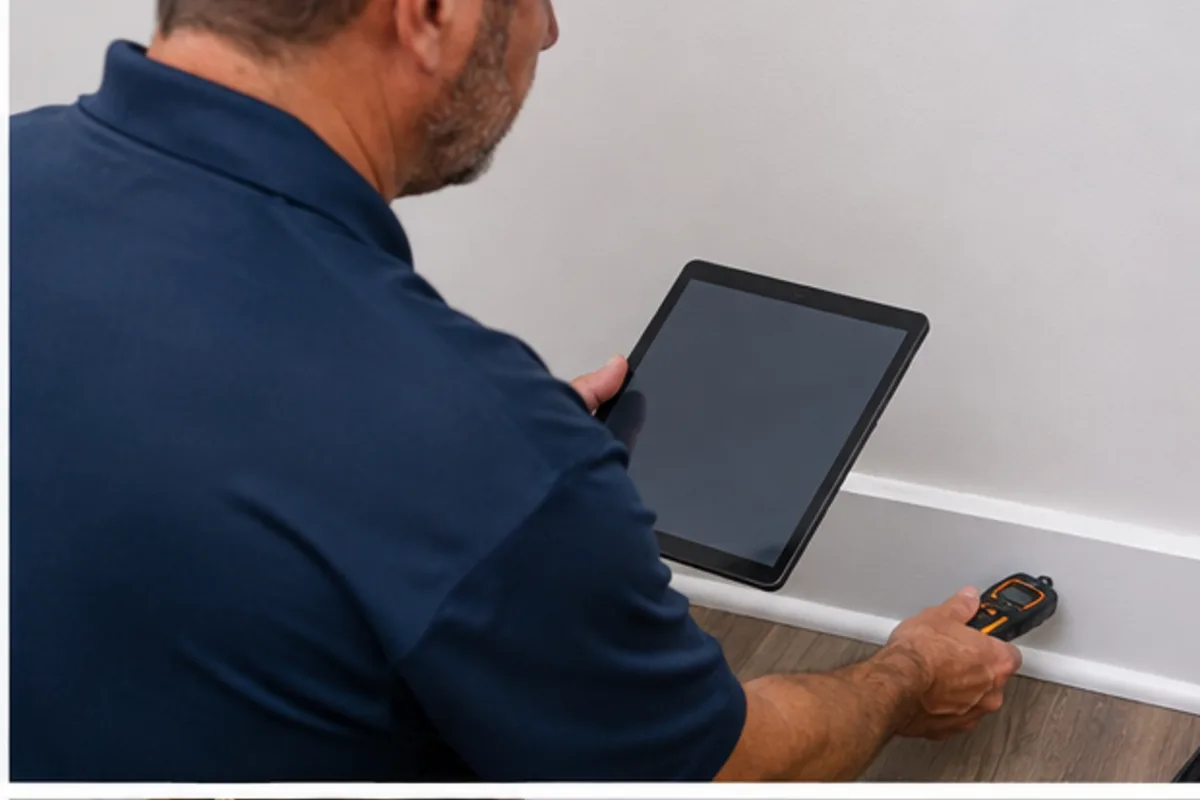 DRYING JOURNAL / FIELD RECORD
CUSTOMER-FACING DOCUMENTATION
A customer should be able to understand which rooms and materials are affected, which areas serve as references, why access changed, where equipment is working, what readings changed, and what remains unresolved. The journal is designed to turn field activity into a reviewable sequence.
The record can include loss facts, source status, safety concerns, room map, water condition, material inventory, measurements, photographs, contents actions, removals, equipment, monitoring, changes, costs, authorizations, specialty interfaces, and completion notes. Not every field applies to every loss, but omitted fields should not be replaced by unsupported claims.
Personal information and property photographs require a verified storage, access, retention, and delivery policy before production. Public pages do not display customer addresses, claim records, or identifiable projects. Illustrative scenarios on this site are labeled and never presented as completed customer case studies.
Review DryTrace moisture standards →SERVICE BOUNDARIES
These tasks require an actual site assessment, provider capability, written quantities, safety controls, water-condition decisions, equipment, monitoring, cleaning, disposal, and completion criteria.
Permanent source correction belongs to the qualified party identified in the proposal. Temporary mitigation language should not become an implied repair warranty.
Specialty concerns require the appropriate provider, credentials, methods, documents, and responsibility. Texas mold work can have separate licensing and project requirements.
The actual policy and insurer control coverage decisions. Restoration documentation can support factual review but cannot promise payment, deductible handling, or approval.
COMMERCIAL EVIDENCE STANDARD
Before selecting a provider, match its legal business name, applicable licenses or registrations, insurance, service area, team qualifications, review sources, warranties, contracts, and claim process to current evidence. A design badge or marketing sentence is not verification.
DryTrace avoids fabricated ratings, customer counts, years in business, response times, manufacturer approvals, insurer relationships, licenses, guarantees, and completed project stories. Production publication requires actual owner information and proof for any claim that could influence the purchase decision.
Open Assessment Standards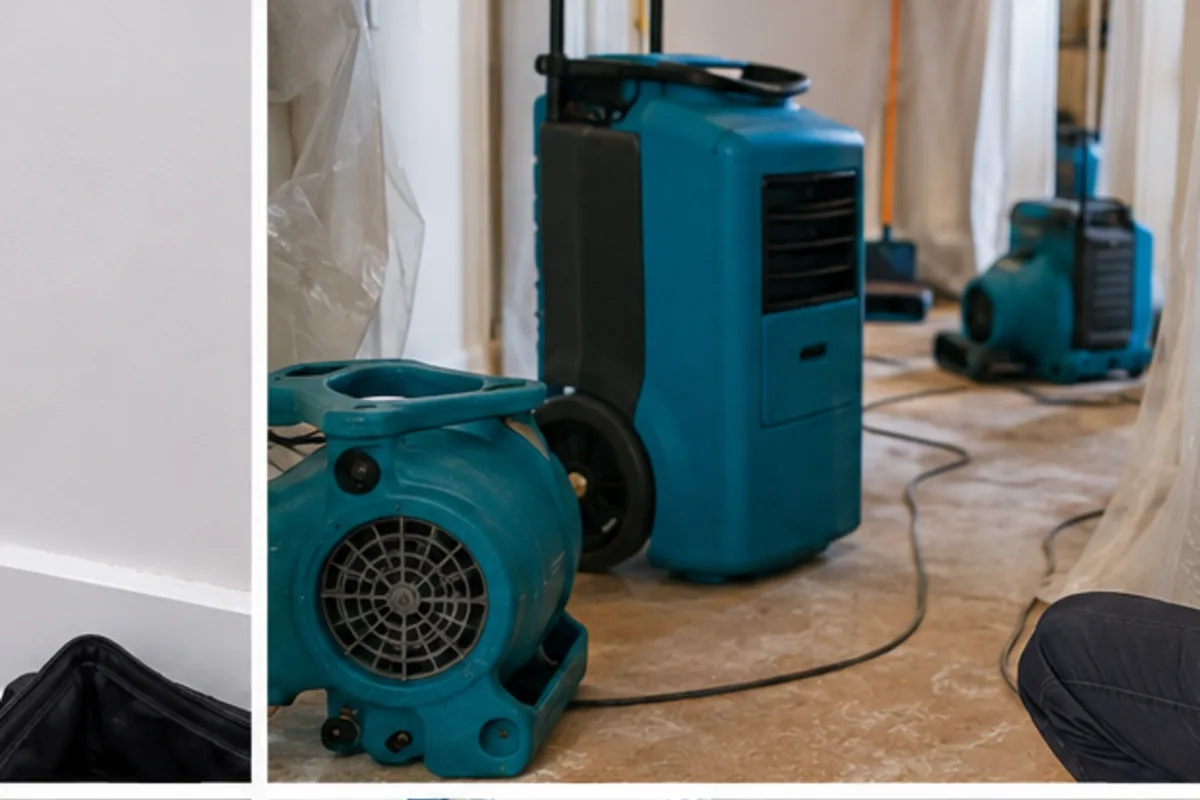
Prepare the source, safety concerns, affected rooms, materials, service ZIP, property type, timing, decision contacts, and optional photo. Provider review remains required.